Basement Flooding Cleanup in Kennesaw, GA
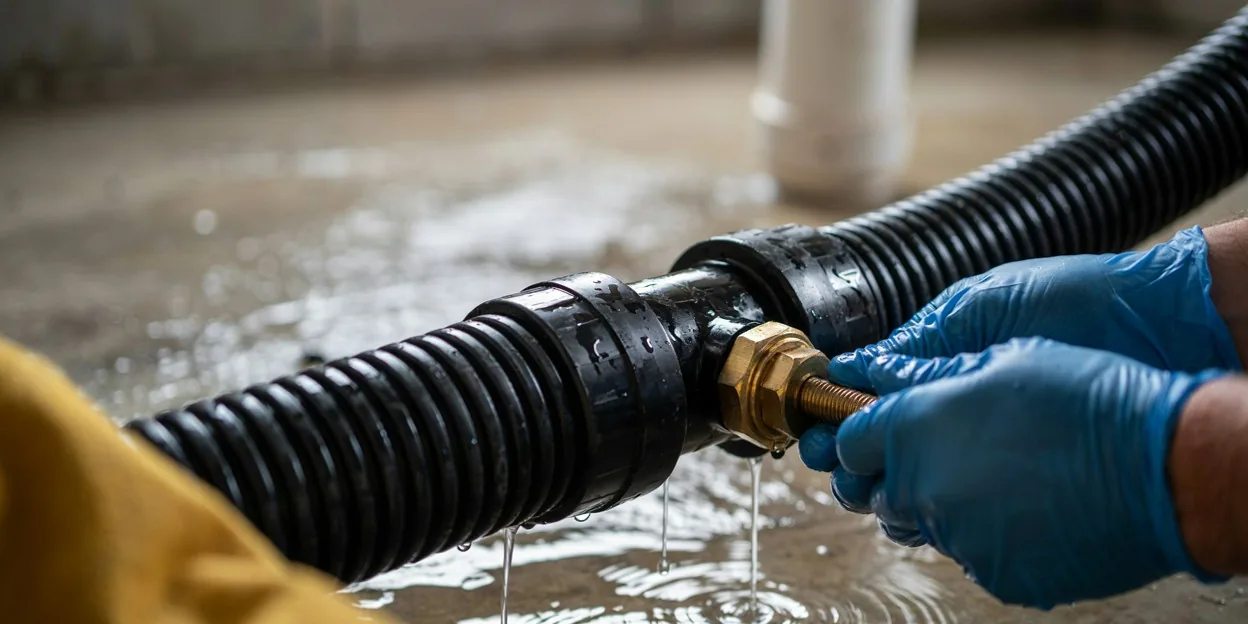
The storm hit around dinner, and by the time you went down to check on the kids' playroom the carpet squished at the bottom of the stairs and the water was coming in along the back wall. This site connects you by phone with an independent local provider who does basement flooding cleanup in Kennesaw and across Cobb County.
Bottom of the wall first, then the pad, then the slab
The crew finds the entry point before anything else, because a basement floods from one of three places: the wall where the lot slopes toward the house, the floor drain or sump pit that backed up, or a pipe or tank on that level. Then the standing water comes out with extractors, and the readings start along the bottom foot of drywall on every wall, not just the one that looked wet.
Carpet gets pulled back at the corners so the pad can be metered separately. The pad holds several times more water than the carpet on top of it, and a finished basement floor that feels only damp usually has a soaked pad and a wet slab underneath. Those readings decide how much drywall opens, whether the carpet stays, and where the equipment goes.
Before the crew comes down the stairs
Turn off the breaker for the basement if water is near any outlet, and do not walk through standing water to reach the panel. If the water is from a pipe, close the house valve. Get boxes, furniture, and anything on the floor up onto the stairs or a table. Unplug and lift electronics. Take photos of the water line on the wall and of everything that got wet, especially items that will be thrown away. Then call.
What a finished basement gives up and what it keeps
Drywall that reads wet along the bottom gets a flood cut, usually two feet, and the insulation behind it comes out. The upper wall stays if it reads dry. Carpet from clean water caught the same day can sometimes be dried in place; carpet from groundwater that came through the wall almost always goes, and so does the pad. Laminate flooring rarely survives. Framing and the slab dry in place once the finishes are out of the way.
If the water came from the sump pit rather than the wall, the sump pump failure cleanup page describes the extra steps. Once extraction is done the job becomes structural drying, with dehumidifiers doing most of the work in a below-grade room that has no airflow of its own. A basement that shares a wall with a crawl space on the uphill side gets checked from both sides, and crawl space water extraction covers that half.
Daylight basements on sloped clay lots
Kennesaw's builders put basements where the lot fell away, so most of the city's basements are daylight or walk-out designs on the downhill side of a subdivision street, with the uphill wall buried in red clay. Clay sheds water rather than absorbing it, and when the grading settles after a few years the runoff from the yard and the neighbor's yard collects against that buried wall. Block walls from the 1980s and early 1990s let it through at the mortar joints; poured walls from the 2000s let it in at the cold joint where the wall meets the footing.
The September 2009 flood was the extreme case. Between September 16 and 22 that year, days of rain put Noonday Creek and Sweetwater Creek far above record levels and filled basements across Cobb County that had never taken water before. Most years the problem is smaller: a July thunderstorm that drops two inches in an hour on ground that cannot take it. Groundwater and seepage are the losses homeowner policies most often exclude, so ask the crew to photograph the entry point and log the readings from the first visit.
When you call about water in the basement
Have the address ready and say whether the water came through the wall, up from a drain or pit, or from a pipe or tank downstairs. Say if the basement is finished, whether the power is off, and how deep the water got. Call (470) 574-4769.