Water Damage Restoration in Bells Ferry, GA
Bells Ferry is the corridor of subdivisions along Bells Ferry Road as it runs north from Kennesaw and Marietta toward the Cherokee County line and Lake Allatoona. The road is older than everything on it, a route to a ferry on the Etowah, and the neighborhoods that line it were built in waves: 1970s and 1980s ranches and split-levels on the Marietta end, 1990s two-stories in the middle, and 2000s subdivisions toward the lake. Noonday Creek runs along the corridor, and its seven-mile multi-use trail has its northeast trailhead on Bells Ferry Road at the Marietta end.
The corridor follows the creek valley, which means the streets closest to the road often sit lower than the subdivisions behind them, and the runoff from the ridges drains toward the creek through the yards in between.
This site connects Bells Ferry homeowners with an independent local water damage provider by phone. The provider looks at the house before writing a scope.
Bells Ferry water damage from the split-levels to the lake lots
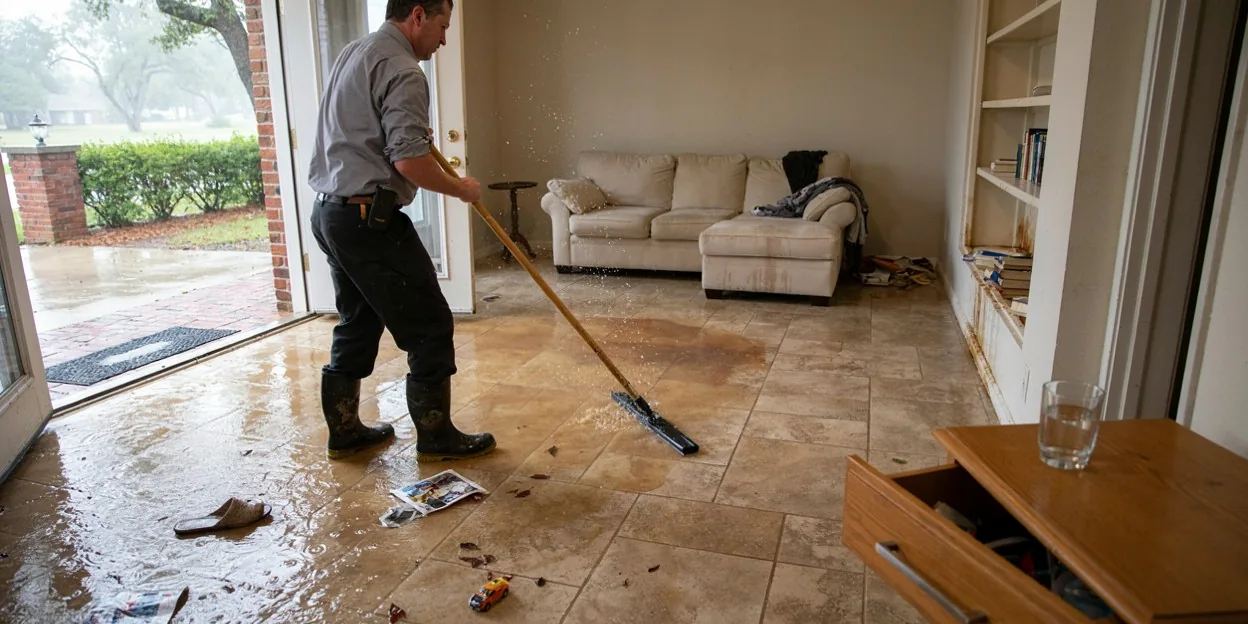
A 1970s split-level with water on the lower floor after a storm is basement flooding cleanup, and the carpet pad on that level comes up first. A crawl space in a 1990s subdivision that took runoff through a low vent is crawl space water extraction. A sump pit that overflowed when the power went out is sump pump failure cleanup.
The county parks department and the creek trailhead
Cobb County PARKS maintains the Noonday Creek Trail and its Bells Ferry trailhead, and closes the low sections when the creek comes up. Most of the corridor is unincorporated, so a rebuild is permitted through Cobb County Community Development, and water service comes from the county system.
Call (470) 574-4769 and tell us what you found. We put you through to a local water damage provider serving Bells Ferry.
Services Available in Bells Ferry
Water Extraction
Standing water pulled off a finished floor, a slab garage, or a lower level, then meter readings to show which rooms it reached.
Structural Drying
Air movers and dehumidifiers set by the readings, running through a humid Georgia week until framing, subfloor, and drywall hit their targets.
Crawl Space Water Extraction
Water pumped from under a Kennesaw house after clay runoff or a plumbing leak, then joists, insulation, and vapor barrier dealt with.
Basement Flooding Cleanup
A finished or daylight basement that took on rain or a failed line, pumped out and dried behind the drywall and under the carpet pad.
Burst Pipe Water Damage
The rooms a split supply line soaked, from a hard-freeze night to a failed fitting in the attic, pumped and dried once the valve is closed.
Roof Leak Water Damage
Attic insulation, ceilings, and walls dried after a summer thunderstorm or a tropical storm sent rain through the roof.
Sump Pump Failure Cleanup
Cleanup after a basement pit overflowed in a power outage or a stuck float, with the wall system and flooring dried, not just the puddle.
Water Heater Leak Cleanup
A tank that failed in a garage, a basement corner, or a second-floor closet, and the flooring and ceiling below it dried out.